Polyaspartic Floor Coating for Your Garage
Request an estimate
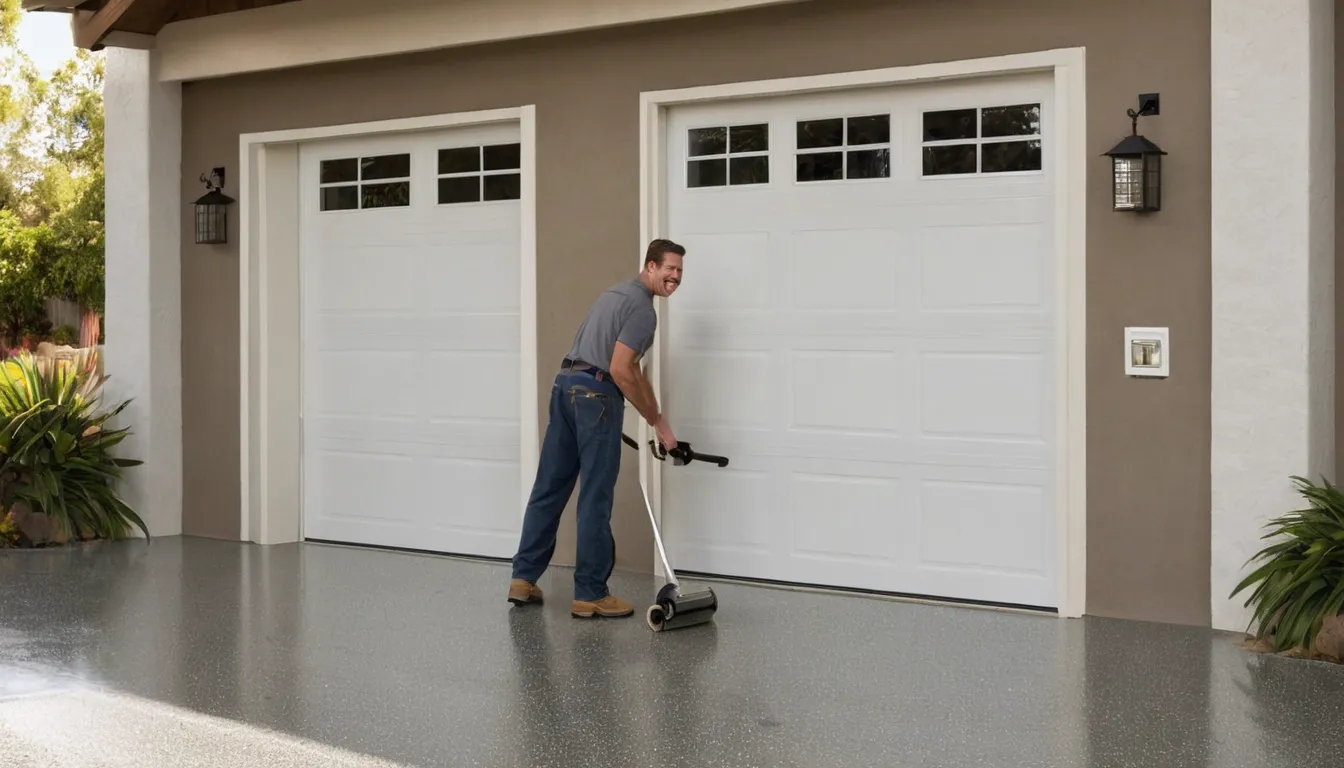
Say you pull into the garage after work and the floor is stained, dusty, and flaking. You want it fixed, but you do not want the car parked on the street for a week. Polyaspartic is a coating that cures quickly, so many garages are ready for use sooner than with older coatings.
Opposedwhy Floor Coating is a referral service. Providers do the work. You send a request, and we pass it to an independent local provider in our network. The provider visits, checks the slab, gives a written quote, and applies the coating. Ask, then compare, so you know what you are getting before you say yes.
Need Your Garage Back Quickly?
Say you pull the car out on a Saturday morning. The floor is stained, chalky, and tracking dust into the house. You want it fixed, and you want to park again soon. That is the moment many people start reading about polyaspartic.
It cures fast. Many providers can finish a garage in a day or two, depending on the slab, the product, and the weather. Ask each provider for their own timeline.
One plain note first. Opposedwhy Floor Coating is a referral service. Providers do the work. Opposedwhy Floor Coating does not mix, grind, or coat anything. It connects you with an independent local provider.
What Polyaspartic Means in Plain Words
Polyaspartic is a type of plastic coating, like a cousin of polyurethane. You roll it onto concrete, and it hardens into a smooth, glossy layer. It is used as a clear topcoat or as a full colored coating.
The big draw is speed. It sets up much faster than most epoxy. It also handles sun and heat well, which matters if your garage door stays open on warm afternoons.
How It Differs From Epoxy
Think of epoxy as a thick, strong base. Think of polyaspartic as a quick, flexible shield. Epoxy takes longer to cure and can turn yellow in strong sunlight. Polyaspartic usually stays clear and resists fading.
There is a trade. Polyaspartic sets so fast that the provider has less time to work with each batch. That is why skill matters. Ask who will be doing the application and how often they use this product.
Full Polyaspartic or Hybrid System?
Say a provider offers you two options. One is polyaspartic from bottom to top. The other is an epoxy base with a polyaspartic topcoat. Both are common.
- Full polyaspartic: fewer layers, faster finish, often a higher material price.
- Hybrid: epoxy fills and bonds, polyaspartic protects the surface. Often a lower price, with a bit more time.
Neither choice is always right. A provider can tell you which fits your slab after looking at it in person.
What Happens on Install Day
Say the installers arrive early and the first thing you hear is a grinder. That is normal. The surface must be rough enough for the coating to grab on.
- The provider clears the floor and checks for moisture.
- Diamond grinding removes old sealer and opens the pores of the concrete.
- Cracks and chips get filled and smoothed.
- The base coat goes on, then decorative flakes if you chose them.
- A clear polyaspartic topcoat seals everything in.
Prep is the part that decides how long the floor lasts. A rushed prep job shows up later as peeling.
Slab Problems to Mention Early
Older tract homes and bungalows often have slabs with hairline cracks, oil spots, or old paint. Tell the provider about all of it. Moisture rising through the slab is a big one, because trapped moisture can push a coating off.
Ask if the provider tests for moisture before coating. A short test now can save a headache later.
Where Polyaspartic Works Well
Garages are the usual place. It also suits patios, porches, workshops, basements, and entry areas. It is a good fit where sun hits the floor or where you want a short wait before using the space again.
It is less about the room and more about the slab. A clean, sound slab does well. A damp or crumbling one needs repair first.
Weather and Timing
Polyaspartic can be applied in a wider range of temperatures than many coatings. Still, very hot slabs and damp air can cause trouble. In areas with long dry spells, mornings and shaded garages are often a good fit.
After a winter rain event, the slab may hold moisture for a while. A provider may wait or test first. Smoke and dust from wildfire season can also settle on a fresh coat, so ask how the provider keeps the garage clean while it cures.
Choosing Colors and Flake Blends
Say you stand in the garage with three small sample chips in your hand. Look at them in the garage light, not the kitchen. Colors shift a lot.
- Solid color: clean and simple, shows dust more on dark shades.
- Light flake blend: hides dirt well and looks soft.
- Heavy flake: more texture and grip, with a busy look.
Many providers also offer custom floor finishes, such as metallic swirls or quartz blends. Ask to see a finished sample of the exact blend you like.
Caring for a Polyaspartic Floor
Care is easy. Sweep or dust mop weekly. Wash with mild soap and water when it gets grimy. Wipe up oil, antifreeze, and road salt when you see them.
Skip harsh acids and hard-bristle brushes. Felt pads under heavy tools help, and a mat under the car door side keeps hot tires from marking the surface. Ask the provider for care notes in writing.
Questions to Ask the Provider
Ask, then compare. Keep a short list in your phone:
- Is the quote for full polyaspartic or a hybrid system?
- How will you prep the slab, and do you test for moisture?
- What does the written warranty cover, and for how long?
- How long before I can walk on it and park on it?
- Who will be on site doing the work?
How Your Request Reaches a Provider
You send a request through Opposedwhy Floor Coating. It is passed to an independent provider in our network that serves your area. The provider contacts you, and any quote, contract, and work are between you and them. Request a callback to check provider availability if you would rather talk first.
What's Included
Surface Prep
Providers grind the slab, clean it, and fill cracks so the coating can bond well.
Base and Color
The provider applies a colored base coat, or an epoxy base in hybrid systems.
Flakes and Finishes
Decorative flake blends and custom floor finishes can be added for grip and a richer look.
Clear Topcoat
A glossy polyaspartic layer seals the floor and helps resist stains and sun.
Typical Polyaspartic Floor Coating Price Ranges
Prices change with slab condition, garage size, and the system you choose. These are common U.S. ranges only. Always get a written quote from the provider before work starts.
| Item | Typical range | Notes |
|---|---|---|
| Single-car garage | $1,500 – $3,500 | About 250 square feet, basic prep |
| Two-car garage | $2,500 – $5,500 | About 400 to 500 square feet |
| Three-car garage | $4,000 – $8,000 | Larger area, more material |
| Price per square foot | $4 – $12 | Depends on system and finish |
| Crack and chip repair | $100 – $800 | Based on how much damage there is |
| Extra flake or custom finish | $1 – $4 per sq ft | Metallic and quartz cost more |
How It Works
Send Your Request
Tell us about your garage size, the floor's condition, and the look you want.
Provider Reaches Out
An independent provider in our network contacts you to talk through the project.
Review the Written Quote
Compare the system, prep plan, timeline, and warranty before you choose.
Provider Does the Work
The provider preps and coats the floor, then walks you through care.
Why Call Opposedwhy Floor Coating
Providers Do the Work
Opposedwhy Floor Coating only makes the connection. Independent local providers handle the quote, prep, and coating.
Plain Process
You know who does what, and how your request is passed along.
Ask, Then Compare
You can compare quotes from providers before you decide on anything.
No Obligation
Sending a request does not commit you to hire anyone.
Other Services
Need polyaspartic floor coating in San Jacinto?
Ask for an estimate or send a quick note. A provider in our network can follow up to talk through your floor and your options.
No obligationPolyaspartic Floor Coating FAQ
How long does polyaspartic floor coating take to cure?
It cures faster than most epoxy, and many garages are finished in a day or two. Walk-on and drive-on times differ by product and weather, so ask the provider for exact timing in your quote.
Is polyaspartic better than epoxy for a garage floor?
Neither is better for everyone. Polyaspartic cures faster and resists sun yellowing. Epoxy often costs less. A hybrid system mixes both, and a provider can advise on your slab.
How long does a polyaspartic garage floor last?
With good prep and normal use, many last for years. Results depend on moisture, traffic, and care. Ask the provider what the written warranty covers and for how long.
Request a callback
Ask for an estimate or send a quick note. A provider in our network can follow up to talk through your floor and your options.
No obligation